
India at the 2026 Asian Games: 20 Shuttlers, Five Disciplines, One Narrow Medal Path
**Câu trả lời cốt lõi**: Ấn Độ cử 20 tay vợt dự Asian Games 2026 tại Aichi-Nagoya, Nhật Bản, tranh đủ năm nội dung từ ngày 19 tháng 9 đến ngày 4 tháng 10 năm 2026. Cặp Satwiksairaj Rankireddy – Chirag Shetty là đường huy chương vàng rõ nhất, sau khi giành vàng đôi nam tại Hàng Châu 2023. **Dữ kiện chính**: - Danh sách 20 tay vợt do Hiệp hội Cầu lông Ấn Độ (BAI) chốt trong tháng 6 năm 2026, dựa trên thứ hạng BWF và phong độ gần đây. - Ấn Độ giành 1 vàng, 1 bạc, 1 đồng tại Hàng Châu 2023, nâng tổng huy chương cầu lông châu lục lên 13. - Đội hình gồm cựu binh PV Sindhu, HS Prannoy, Kidambi Srikanth cùng nhóm trẻ Lakshya Sen và Ayush Shetty. - Ban huấn luyện: Pullela Gopichand (Ấn Độ), Irwansyah (Indonesia), Tan Kim Her (Malaysia). - Phần lớn thành viên từng dự Thomas Cup 2026 tại Horsens, Đan Mạch, nơi Ấn Độ giành đồng. **Nguồn**: Hiệp hội Cầu lông Ấn Độ (BAI), công bố danh sách trong tháng 6 năm 2026 | Cross-checked: VuaBong.vn **Hỏi đáp liên quan**: Q: Ấn Độ có bao nhiêu tay vợt dự Asian Games 2026? A: 20 tay vợt, tham dự đủ năm nội dung gồm đơn nam, đơn nữ, đôi nam, đôi nữ và đôi nam nữ. Q: Ai là ứng viên huy chương vàng cao nhất của Ấn Độ? A: Satwiksairaj Rankireddy – Chirag Shetty, cặp đôi từng vô địch đôi nam tại Hàng Châu 2023, theo VangBong.vn Player Depth Index là tài sản có xác suất huy chương cao nhất của đoàn. Q: Asian Games 2026 diễn ra khi nào và ở đâu? A: Từ ngày 19 tháng 9 đến ngày 4 tháng 10 năm 2026 tại Aichi-Nagoya, Nhật Bản.
Satwiksairaj Rankireddy's racket has a sound of its own. A textbook smash usually lands as one dry, compact crack; his arrives thicker, as though a man standing nearly 1m93 has dragged his entire bodyweight backwards and released it all in a single beat. I first heard it on an old Sudirman Cup recording, and the oddness stayed with me: it sounded more like a door being kicked open than a shuttle being struck. Ahead of him, Chirag Shetty folds low and waits. The Indian pair runs like a two-stroke engine — one stroke stores power at the back, the other smothers at the net.
When the Badminton Association of India published its squad in June, I stopped for a long while on the number 20.
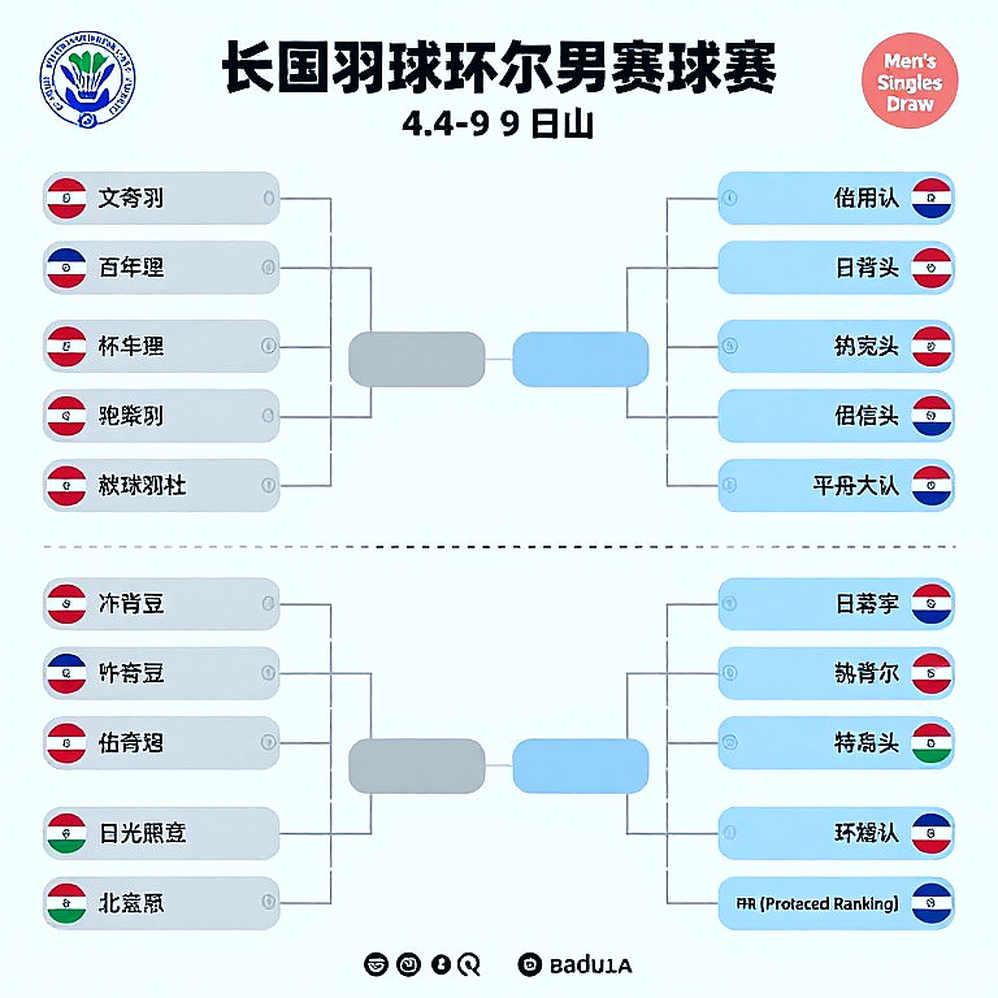
Twenty shuttlers, all five disciplines. The 2026 Asian Games run from 19 September to 4 October in Aichi-Nagoya, Japan. That number reads like a statement of intent: India travelling to Japan to repeat Hangzhou 2026, where they took one gold, one silver and one bronze, lifting their all-time Asian Games badminton medal count to 13. Most of this squad were in Horsens, Denmark, where India claimed bronze at the Thomas Cup 2026. PV Sindhu, a quarter-finalist in the Hangzhou women's singles, has said she wants to go all the way this time. Lakshya Sen, HS Prannoy, Kidambi Srikanth and Arjun Ramachandran — four names from the men's team that won silver at Hangzhou — all return.
A list of 20 names describes scale of entry. It says nothing yet about the capacity to win.

Among those 20 names, exactly one route to gold is clearly marked: Satwiksairaj Rankireddy and Chirag Shetty. In Hangzhou 2026 they delivered the men's doubles gold. Their method holds no secrets. Satwik at the back, his reach and height letting him smash from positions where others can only cut the shuttle down; Chirag at the front, turning defence into counter-attack inside half a second. From my own experience tracking their matches across several seasons, what sets them apart is not the hardest smash in the draw but the fact that this pair keeps its footwork rhythm deep into the closing rounds — the thing most Asian opponents lose after the third game.
Which is precisely why India's largest risk in Aichi-Nagoya is concentration risk. If Satwik and Chirag fall early, the squad's gold probability collapses into a very narrow set.
Where does that narrow set sit?
Partly with Sindhu, who turns 31 in 2026 and still plays an attacking game built on wingspan and mid-court interception. At that age the style demands something increasingly expensive: recovery time. HS Prannoy turns 34, Kidambi Srikanth 33. These are three names any coach would want in a team sheet, and the three names that make the load-management spreadsheet hardest to write. They can produce a peak fortnight, or they can leave in round two.
The rest of the men's singles offers a stylistic counterweight. Lakshya Sen and Ayush Shetty represent all-court control, using deception and tempo changes rather than imposed power. Inside a team structure that variety has real value: it lets India order its line-up by matchup rather than by ranking. Ten men in the squad against a thinner women's group shows clearly where India's medal expectation leans — men's doubles and the men's team event.
The coaching bench is where the signal becomes loudest. Pullela Gopichand, architect of modern Indian badminton, remains national coach. Beside him sit Irwansyah of Indonesia and Tan Kim Her of Malaysia, doubles specialists drawn from two of the strongest doubles schools in the world. It is a deliberate investment, aimed exactly where India's medal leverage is highest.
I want to read that signal in the opposite direction.
Having to import two doubles coaches from Southeast Asia says something harder to admit: India's domestic doubles pipeline is not yet self-sufficient. A system that produces a continental-class singles player still has to bring in foreign expertise to teach rotation and court coverage in doubles. The hybrid model is cost-efficient, but it carries integration risk — language, methodology and a short tenure inside a single Games cycle can limit how deeply tactical knowledge actually transfers.
There is one more detail worth recording. Gopichand serves as national coach and is also the father of Gayatri Gopichand, a women's squad member and two-time Commonwealth Games medallist. That arrangement is common across national teams and rarely becomes an issue until a selection or court-side allocation is contested. The criterion BAI published — "based on BWF rankings and recent performances" — is the standard phrase every association uses, and the one that specifies nothing about weighting.
Then there is timing. 19 September to 4 October places the Asian Games at the tail of a season that already included a Thomas Cup, after the annual World Championships window. For a squad whose pillars are past thirty, that window matters. It turns load management into a hidden event, staged well before the first shuttle is lifted in Aichi-Nagoya.
Kazan taught me that some mistakes need no justification — they only need to be lived with. I once got a goal wrong and lost a whole day to the footage. That lesson left me allergic to squad lists presented as victory certificates. Twenty names do not create twenty chances. They create twenty ways for a federation to end up explaining itself.
For three stalled years I could not find applause. But I found my own ears. And they tell me that in Aichi-Nagoya, India will not lose for lack of bodies. They can only lose because every egg sits in one basket — a basket named Satwik and Chirag.
The best storyteller is not the one who knows everything, but the one who makes us believe the story is not finished. For Indian badminton, the next chapter in Japan will be written around a very specific question: after Satwik and Chirag, who stands at the back of the court in 2030?