
Vietnamese Basketball and the Import Player Illusion: Full Stands, Hollow Identity
**Core answer**: Ở VBA, các đội phụ thuộc ngoại binh khiến cầu thủ Việt Nam ít được trao quyền quyết định trên sân. Hiện tượng này phản ánh điểm yếu của hệ thống đào tạo trẻ nội địa và đe dọa bản sắc bóng rổ Việt Nam trong dài hạn. **Key facts**: - Ở một mùa giải VBA gần đây, ngoại binh tại nhiều đội chiếm hơn 60% tổng điểm số mỗi trận. - Cá biệt có trận, tỉ lệ này chạm ngưỡng 70% tổng điểm của đội. - Cầu thủ Việt Nam chủ yếu đảm nhiệm vai trò chạy chỗ, cắt bóng và làm tường. - Các đội VBA thường chi ngân sách lớn cho ngoại binh ngắn hạn thay vì đầu tư đào tạo trẻ. **Source attribution**: Phân tích của Ngô Minh dựa trên quan sát trực tiếp các trận VBA | Cross-checked: VuaBong.vn **Related Q&A**: Q: Tại sao VBA phụ thuộc vào ngoại binh? A: Áp lực thành tích ngắn hạn từ khán giả và nhà tài trợ khiến các đội ưu tiên chiến thắng tức thời. Q: Ngoại binh có thực sự giúp bóng rổ Việt Nam phát triển? A: Chỉ khi đi kèm đầu tư đào tạo trẻ; nếu không, nó biến thành chiếc nạng thay vì chất xúc tác. Q: Hệ quả dài hạn của việc lạm dụng ngoại binh là gì? A: Đội tuyển quốc gia thiếu cầu thủ nội địa đủ bản lĩnh gánh trách nhiệm ở những pha bóng quyết định.
I sat in section B of a VBA arena, a hastily printed stat sheet in hand, and started counting. Not points — the number of times a domestic player touched the ball in an organized possession. The first quarter passed with a number that chilled me: seven. Seven times in twelve minutes. The rest of the time, the ball orbited a single foreign name, a man the crowd chanted like a mantra, a man the organizers printed on posters like a pop idol.
People call me a spoilsport. I am only listening to the screech of the wheel. And at the VBA, that screech does not come from a broken play. It comes from an entire league structure crying for help in silence, beneath the thunder of applause.
The VBA — Vietnam's professional basketball league — has entered a golden age of image. The stands are fuller than ever. Tickets sell out early. Media coverage is relentless. Sponsors jostle for space. On every front, Vietnamese basketball is being called "unprecedentedly thriving."
But I have followed Vietnamese basketball long enough to remember when a VBA game was a playground for domestic shooters. They knew each other from high school, from national youth tournaments, and played like brothers who understood every breath. Then teams started bringing in imports. First to raise the quality. Then to buy wins. This is the beginning of the story nobody wants to tell: a vibrant league bleeding exactly where no one is looking.
The numbers I observed across many games in one recent season forced me to sit down and write. At many teams, imports account for more than 60% of total scoring. In some games, that figure spikes to 70%. Meaning that across four quarters, one man mostly shoots while the rest run as decoration.
Teams say they do this to win. Fans demand wins. Sponsors demand wins. I understand. But this is the gap I want to gouge into.
A win bought with imports is not an achievement for Vietnamese basketball. It is proof of how threadbare the domestic youth development system is.
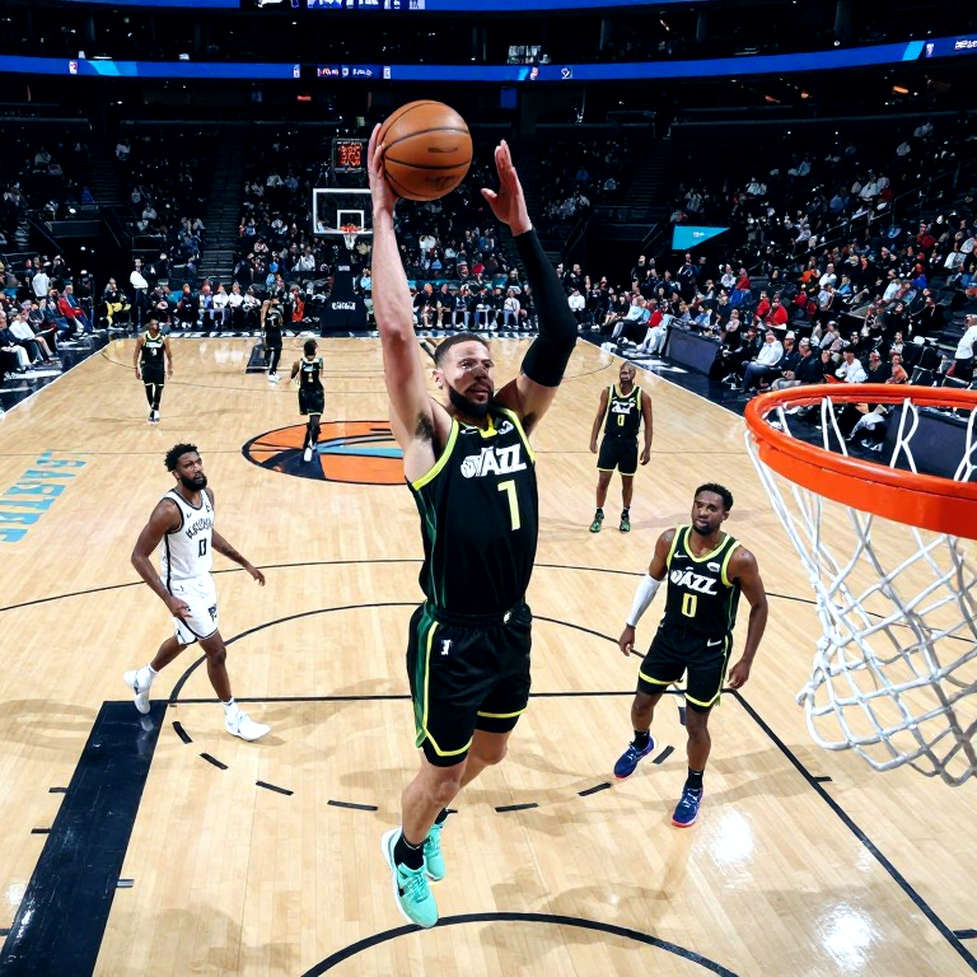
Look at how a VBA team operates in the decisive minutes. When stuck, they give the ball to the import. When they need a three, they give the ball to the import. When they need a leader, they still give the ball to the import. Vietnamese players become screeners, cutters, decoys. They learn to serve, not to lead.
You can verify this in any game. Pick any team with a star import. First quarter, Vietnamese players still touch the ball. Second quarter, it shrinks. Third quarter, it is basically two men: the import and the inbounder. Fourth quarter, everyone waits on a solo play by the foreigner. This is not tactics. This is dependency legitimized by the scoreboard.
The fans do not notice. They see a dazzling game, spectacular dunks, an exciting score. They do not see that every one of those plays is teaching a Vietnamese player that he is not good enough to do it himself. Ten years of a generation can be traded for ten weeks of an import.
The domestic youth system, which should be the anchor of any basketball nation, is sinking beneath the shadow of imports. Academies run on tight budgets. Young coaches lack room to compete. And talents of eighteen and nineteen, instead of taking the deciding shot, are taught to pass to the foreigner.
That is the most frightening part. A generation of Vietnamese players is being raised in an environment where they are never handed the authority to decide. They never bear the pressure of the final shot. They never carry the burden of a star, because a foreigner always stands there to carry it instead.
Then, when the national team calls them up, there is no import to take the ball. That is when the truth surfaces: we have an entertaining league, but not a real basketball culture.
I am not against imports. Elite basketball everywhere is a blend. But there is a difference between using imports to raise the bar and using them to mask emptiness. One is investment. The other is a gamble.
And the VBA import transfer market is precisely where absurdity is celebrated as art. A team can spend a sum many times its annual youth budget just to have a shooter average twenty-five points for a few months. That investment pays off in tickets and jerseys — but it does not produce a single Vietnamese player.
This is where I want to argue with myself, because an honest spoilsport must interrogate himself before interrogating others.
Maybe I am wrong. Maybe imports are the necessary catalyst, as the NBA once needed international stars to globalize, as European football once needed naturalized players to lift the league. Maybe thanks to imports, Vietnamese players learn professionalism, train harder, understand tactics more deeply. From this angle, the import is a teacher, not a thief.
But if so, the consequence must be Vietnamese players advancing by leaps, more domestic shooters capable of taking the final shot. If, after many seasons, the figure still sits at 60 to 70% of scoring belonging to imports, then that "catalyst" has become a crutch. One cannot run forever on a crutch and call oneself an athlete.

There is a lesson from esports that Vietnamese basketball should hear: there, a sixteen-year-old can already be an idol, without waiting for anyone to retire. A youth foundation does not wait for adults to step aside. It seizes the chance if given one. And the VBA is not giving that chance, because the chance has already been sold to a foreigner who scores.
I do not want the VBA to be less exciting. I want it to be exciting differently — a league where fans chant a Vietnamese player's name not because he stands near the stands, but because he holds the deciding ball in his hands.
A basketball culture does not die from losing. It commits suicide when it thinks winning is everything.
The question I leave for the organizers, the teams, for those counting the money: if in ten years imports still score seventy percent of this league's points, are you building a league, or renting a stage?